
Warning Signs of Depression
It isn’t always about tears. Sometimes, the warning signs of depression look like staring at a mountain of laundry, not out of laziness, but because starting the task feels physically impossible. We all experience passing sadness, but a massive gap exists between an unhappy week and a medical condition.
According to mental health professionals, time is the ultimate metric for anyone quietly asking, "how do i know if im depressed?" A heavy, exhausting feeling lasting longer than two straight weeks crosses from a temporary slump into clinical territory. This timeline clearly separates everyday situational sadness from the persistent signs that are depressed moods requiring real support.
The Three Core Pillars: Monitoring Changes in Your Mood, Energy, and Interest
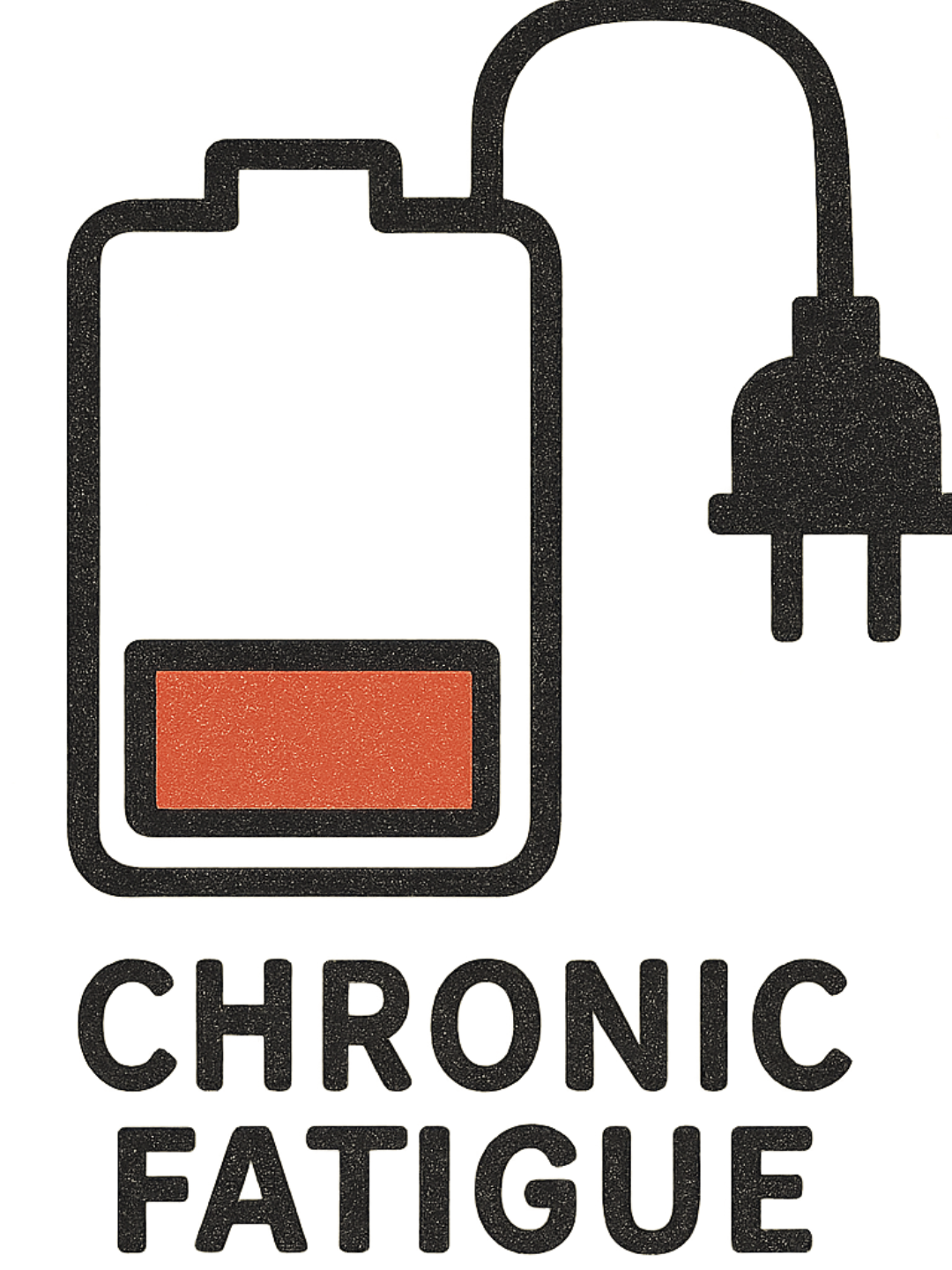
We all have days when we would rather stay inside. But when a favorite pastime suddenly feels like a heavy obligation, it signals a deeper shift. Think of your brain like a phone network. When you are struggling, the "happy" signals are not getting through—not because the phone is broken, but because the service is temporarily down. This weakened chemical communication directly causes a loss of interest in daily activities.
Have you noticed your limbs feeling incredibly heavy even after resting? People often describe early depression symptoms as a physical weight, as if you are walking through water. If you are ever wondering how do you know if you have depression, this profound, lead-like exhaustion is a crucial clue that separates a medical condition from ordinary tiredness.
Mental health professionals call this joyless disconnect anhedonia. To track your emotional consistency over a seven-day period, try using this 5-point Daily Interest Check to compare your engagement in hobbies versus obligations:
Did my favorite meal taste like nothing today?
Did replying to a friend feel like an impossible burden?
Did my typically relaxing hobbies feel like chores?
Did I smile at something I normally find funny?
Am I just "auto-piloting" through my mandatory tasks?
Beyond the Mind: Identifying Physical Aches and Sleep Disruptions as Mental Health Signals
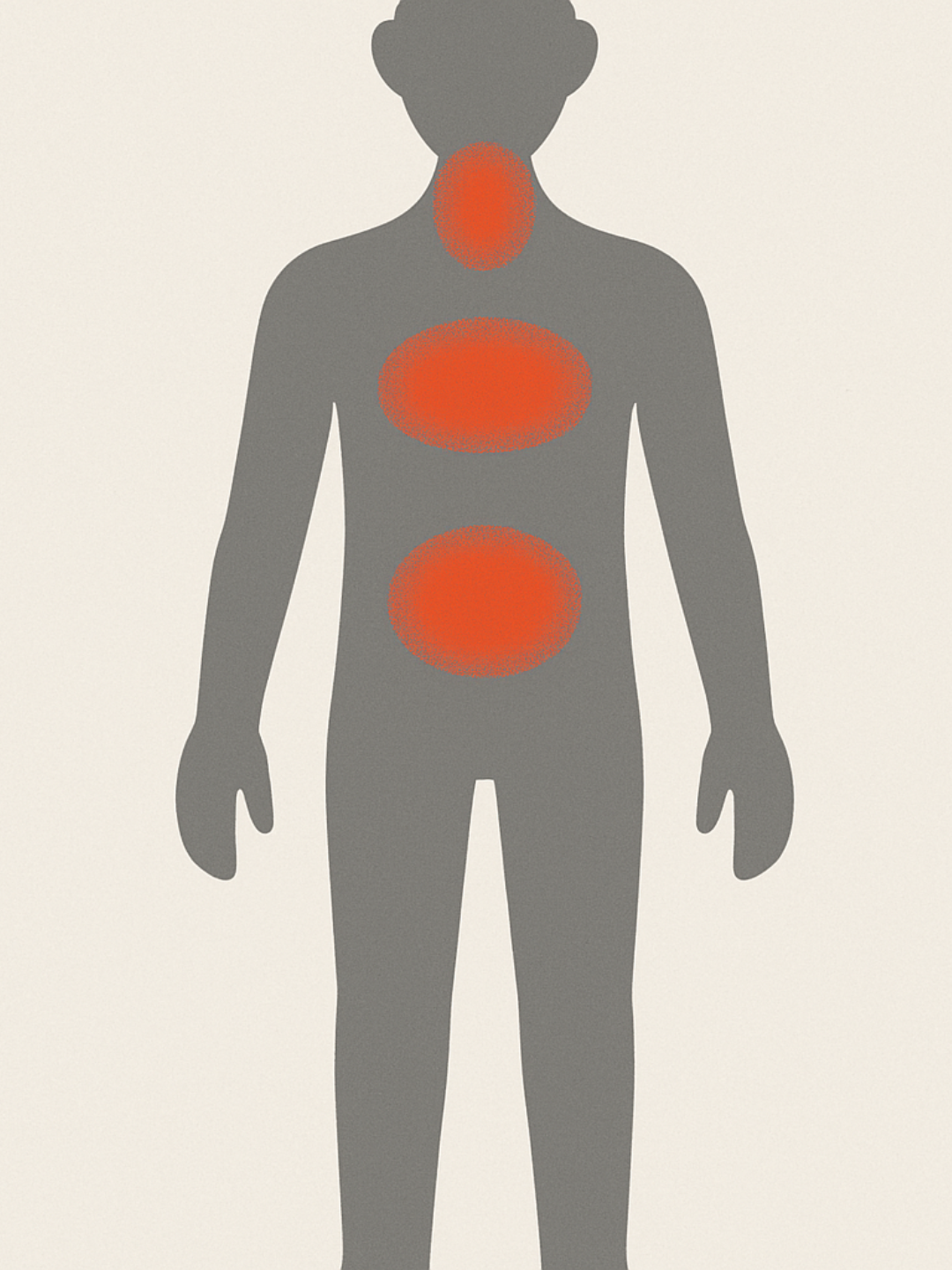
We know a bad day causes tension, but depression actually alters how your brain processes physical sensations. You might be experiencing the physical symptoms of depression if you suddenly develop unexplained backaches or stomach issues. These physical manifestations of persistent low mood happen because the body's pain-mood pathway shares the same weakened chemical signals affecting your emotions. Similarly, your body might seek comfort through sudden overeating, or shut down entirely, leaving you with zero appetite.
This biological short-circuit also throws your internal clock off balance, causing a severe disruption of sleep and appetite patterns. You might lie wide awake at 3 AM or sleep excessively without ever feeling rested, resulting in a daily battle with chronic fatigue. When your body hurts and exhaustion sets in, it is incredibly common to mistakenly blame your character for these medical issues.
The Weight of Guilt: Why Being 'Hard on Yourself' is Often a Hidden Symptom
You might wonder, is being hard on yourself a sign of depression? When healthy self-reflection morphs into an abusive "Internal Critic," the answer is absolutely. Mental health experts call these "cognitive distortions"—mental filters that warp reality, convincing you every minor mistake is a massive character flaw. Instead of simply wishing you handled a situation better, this illness-driven voice insists you are a permanent burden to the people you love.
As that harsh inner voice grows louder, it fuels deep despair and depression, completely masking any light at the end of the tunnel. The link between depression and hopelessness is profound, creating a mental roadblock where your future looks entirely bleak. Experiencing these persistent feelings of hopelessness and worthlessness means your mind is actively painting temporary struggles as permanent facts. If this heavy, self-blaming mindset is your daily reality, you need to know exactly what you are up against.
Situational Sadness vs. Major Depressive Disorder: Knowing the Difference and When to Act
We all experience grief, stress, or exhaustion. However, understanding the difference between situational sadness and major depressive disorder is vital for getting the right support. When you compare depression vs burnout symptoms, burnout usually improves with rest. Major depressive disorder is like a heavy cloud that stays regardless of your stress levels. Mental health professionals use a guide called the DSM-5 criteria to identify this condition, looking for specific symptoms lasting at least two weeks.
To recognize when a normal low becomes a medical concern, consider these three key differences:
Duration: Situational sadness fades over days; clinical depression persists daily.
Intensity: Sadness comes in waves. Depression flattens all emotions.
Functionality: Grief hurts, but you can usually work. Depression causes severe impairment, making basic tasks feel physically impossible.
These warning signs vary widely. For instance, the signs and symptoms of depression in females often involve intense physical fatigue and appetite changes, rather than just visible sadness. If this resonates, help is available.
Finding the Path Forward: How to Get a Depression Diagnosis and Start the Journey to Recovery

Recognizing these signals is your first victory in understanding how to help depression. You now have the clarity to take small, meaningful steps forward. Start by establishing a gentle daily rhythm, like a ten-minute walk or a consistent sleep schedule. While these habits build momentum, reaching out to a mental health professional for depression is your most powerful tool. Figuring out how to get a depression diagnosis often begins with a low-friction conversation with your primary care doctor, who can guide you toward effective treatments like cognitive behavioral therapy for mood regulation.
You no longer have to wonder if your heavy exhaustion is just in your head. When exploring how to get out of a depressive episode, remember that recovery is gradual and asking for support is a profound act of strength. Try scheduling that initial appointment this week, and notice how simply making the call begins to lift the weight.