
Recognizing and Overcoming Workplace Burnout
You know that feeling when your alarm goes off and your first thought isn't "I'm tired," but "I physically cannot do this today"? That heavy, lead-like sensation in your limbs isn't just a lack of sleep. It is the first warning sign of a deeper biological response.
Wondering why do I feel depleted after the office day after day is common, but the answer goes beyond standard mental health struggles. According to the World Health Organization, workplace burnout is officially recognized as an "occupational phenomenon." This means it stems from chronic, unmanaged job stress rather than a personal medical condition.
We are frequently told this exhaustion is an individual problem that can be cured by a long weekend or a bubble bath. Yet, industry data and science tell a different story. This condition represents systemic fatigue rooted in an unsustainable work environment, rather than a sudden failure of your own personal resilience.
The core of this experience is driven by three foundational pillars: profound physical exhaustion, growing cynicism toward your daily tasks, and a lingering sense of reduced professional efficacy.
Beyond the Sunday Scaries: Is It Stress or True Burnout?
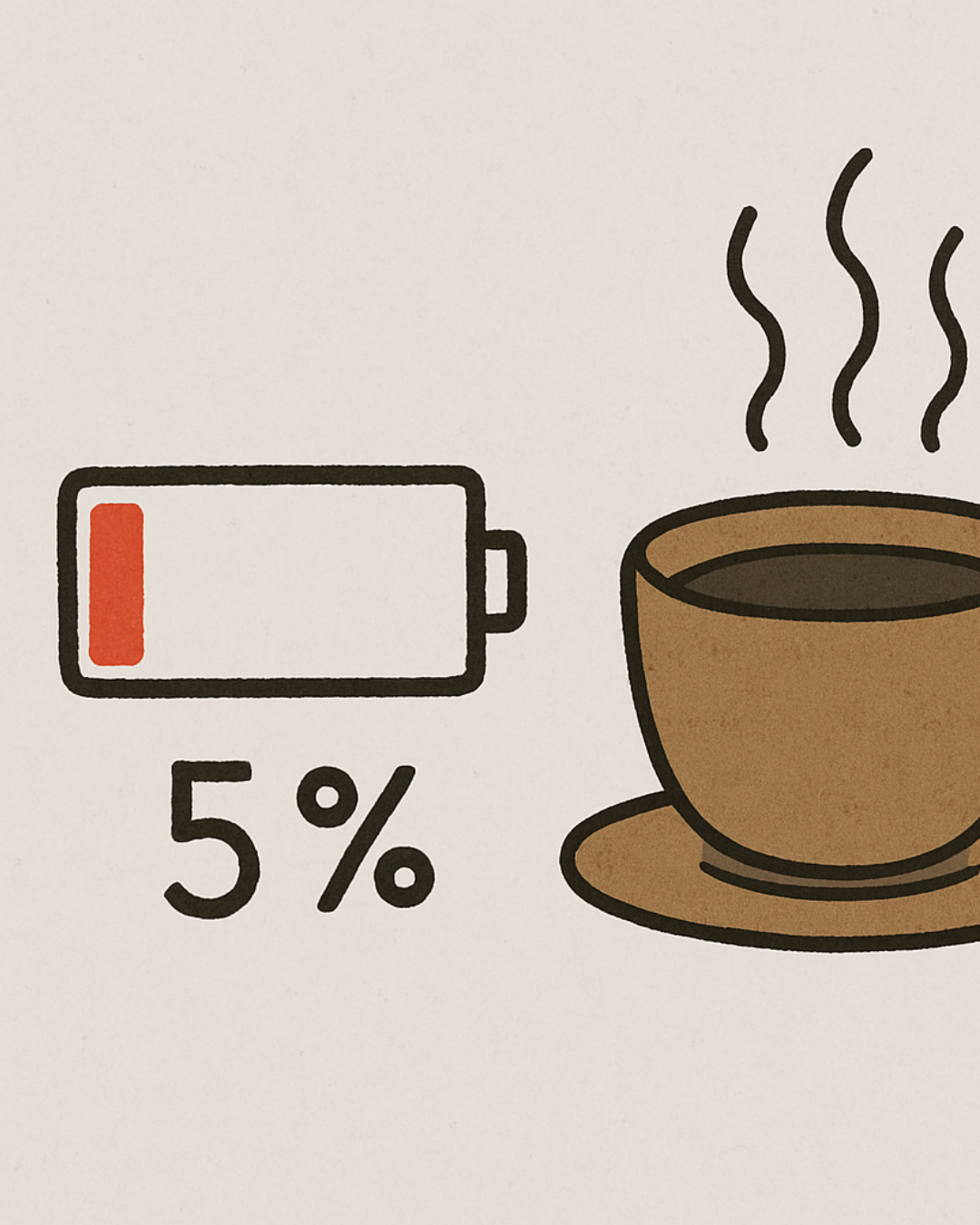
Society often normalizes overwhelming pressure, leading us to confuse a chaotic week with a systemic breakdown. Stress feels like too much—endless emails, tight deadlines, and constant demands. You feel anxious but still believe that catching up will fix things. Burnout flips this dynamic into a feeling of not enough, where you transition from caring intensely to simply having nothing left to give.
Think of your personal energy like an aging smartphone battery. With temporary strain, resting overnight restores you to full power. However, when burnout destroys your energy capacity retention, you can sleep all weekend and still wake up hovering at 10%. This persistent, unrelenting depletion helps distinguish occupational stress vs clinical depression, as burnout directly stems from an unsustainable professional environment rather than a broader chemical imbalance.
Crossing into this deeper trouble happens quietly. It begins when physical symptoms of long-term work pressure, like unexplainable physical fatigue, become your daily baseline. Ignoring these bodily cues only accelerates the defining signs of chronic job exhaustion, eventually leaving you completely detached and cynical about the tasks you once valued.
Realizing your internal battery is fundamentally damaged shifts your focus away from superficial self-care and toward genuine environmental recovery. Pinpointing your position on this spectrum requires examining your daily baseline to identify the primary red flags of chronic exhaustion.
The Three Red Flags You Can’t Ignore
Recognizing that your internal energy reserves are compromised is crucial, but you also need the right vocabulary to explain exactly how that depletion manifests. When evaluating professionals, psychologists rely on the Maslach Burnout Inventory assessment to categorize the chaos into specific, measurable behaviors rather than vague feelings of stress.
This framework breaks the experience down into three core dimensions, simplified here for everyday use:
Emotional Exhaustion: The profound physical and mental fatigue of running on empty.
Depersonalization: The creeping emotional detachment and cynicism toward your role.
Reduced Efficacy: The sinking realization that your hard work no longer produces meaningful results.
Pinpointing what causes emotional exhaustion at work is usually straightforward, but the second red flag—depersonalization—often sneaks up on you. You might start feeling like a "work-bot," mechanically executing tasks without an ounce of emotional investment. This detachment is actually your nervous system's defense mechanism against an unrewarding environment, pushing you through the stages of professional cynicism until you view colleagues or clients as frustrating burdens instead of people.
Slipping from that detachment, you inevitably land in the "efficacy trap." You find yourself working incredibly hard just to maintain your baseline, yet you feel completely unproductive. Staring blankly at a computer screen for an hour, or agonizing over a simple reply-all email, signals this loss of professional efficacy. It forces you to question your basic competence despite years of proven experience.
Giving these three symptoms a formal label is immensely validating because it proves you are experiencing a recognized occupational phenomenon, not a personal failure. Since these red flags are predictable reactions to an unbalanced environment, genuine healing requires evaluating the surrounding organizational framework.
Why You "Wilt" in the Workplace: The Six Soil Factors

If a houseplant starts wilting, you don't blame the plant for lacking resilience; you immediately check the environment to see if it needs better soil or light. The exact same logic applies to human beings in a professional setting.
Decades of workplace research reveal that burnout is rarely an individual failure, but rather a predictable reaction to an unsustainable environment. Psychologists have identified six systemic "soil factors" that determine whether you thrive or wither:
Workload: Unmanageable daily demands that never stop.
Control: Severe micromanagement and a lack of autonomy.
Reward: Inadequate pay or chronic lack of recognition.
Community: Isolation, disrespect, and workplace conflict.
Fairness: Obvious favoritism or unjust corporate policies.
Values: A disconnect between your moral compass and company actions.
Have you ever spent an entire Sunday dreading a Monday morning status meeting? That fear often points directly to a compromised community factor. The role of psychological safety in the office—feeling secure enough to admit a mistake or share a rough idea without being punished—cannot be overstated. When you are forced to constantly walk on eggshells, your nervous system stays locked in defense mode, which perfectly explains the root of this emotional depletion.
Even if your workload is perfectly balanced, a deep mismatch in the "Values" factor can still completely drain your battery. Pretending to care about a mission you find meaningless requires immense psychological effort. This daily internal friction drives the profound impact of toxic culture on employee retention, as talented people eventually leave rather than compromise their core identities.
Recognizing these organizational shortfalls gives you the power to stop absorbing the blame for a broken system. While you cannot single-handedly fix toxic corporate soil overnight, you can control how much of your personal energy it absorbs. Taking back that control begins by mastering the art of setting sustainable limits.
Setting Boundaries That Actually Stick
Knowing the organizational "soil" is toxic is validating, but what can you actually do to survive the week? The best immediate defense is practicing "micro-recoveries"—tiny, intentional pauses acting as vital coping mechanisms for high-stress environments. Try stepping away from your desk for five minutes between intense meetings or physically closing your laptop during lunch to prevent daily energy leaks.
When it comes to your calendar, taking back control requires a smarter way to say no. Enter the "Trade-off Technique," a method where you never flatly refuse work, but require the requestor to prioritize. If your manager hands you a new assignment, calmly ask which current task should be paused to accommodate it, successfully shifting the burden of choice back to them.
Finding the precise vocabulary makes setting healthy boundaries with employers feel far less intimidating. Keep these three proven scripts ready for everyday situations:
The Trade-off: "I can absolutely take this on. To ensure quality, should I deprioritize the client deck or the weekly audit?"
The After-Hours Shield: "I am logging off for the evening to recharge, but I will review this first thing tomorrow morning."
The Meeting Decline: "My schedule is currently full of deep-work tasks. Could you share the agenda to see if my live attendance is mandatory?"
These daily acts of self-preservation stop the immediate bleeding, even if they cannot magically fix a broken company culture. Figuring out how to recover from career fatigue is a gradual process of slowly rebuilding your depleted physical and mental reserves. Establishing these baseline limits creates the necessary foundation for long-term healing and sustainable recovery.
Your Recovery Roadmap: Moving from Depleted to Sustainable
Recognizing the true toll of an unsustainable workplace allows you to begin a 30-day recovery plan focused entirely on deep physical and emotional rest.
Start by evaluating the benefits of taking a mental health sabbatical, even if it means just a few consecutive days completely unplugged from your inbox. This intentional pause breaks the chronic stress cycle, giving your nervous system the quiet environment it desperately needs to reset.
Once you feel steadier, commit to a single daily boundary as one of your preventative measures for job-related collapse. Whether it means leaving your work laptop at the office or exploring other strategies for improving work-life balance, these simple shifts protect your energy over time.
Your personal worth is not tied to how much exhaustion you can endure. By prioritizing sustainable well-being over peak productivity, you are no longer just surviving your workday—you are actively reclaiming your right to a healthy, vibrant life.